



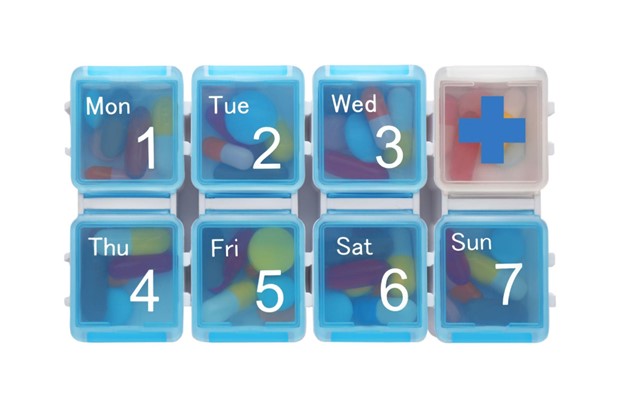
Winter creates unique medication adherence challenges for outpatient pharmacies by disrupting routines, limiting mobility, increasing illness, and complicating communication between patients and care teams.
Outpatient pharmacies often feel the seasonal shift long before patients mention it. Cold weather changes daily habits, affects how people travel, and increases health-related stress. These factors quietly interfere with how consistently patients take their medications.
In this blog, we’ll explore the most common winter-specific obstacles pharmacies face, how they impact patients, and why having the right systems in place matters more during colder months.
Weather-Related Barriers to Routine Pickups
Reduced Mobility and Missed Refills
Snow, icy sidewalks, and shorter daylight hours make simple errands harder. Many patients delay or skip pharmacy visits when the weather feels unsafe. This is especially common among older adults and patients managing chronic conditions.
Missed pickups often turn into missed doses. When refills are delayed, patients may skip doses or stop taking medications entirely until conditions improve. Pharmacies suddenly see gaps appear, even among patients who were previously consistent.
Transportation Disruptions
Public transportation delays and road closures add another layer of difficulty. Patients who rely on buses or rides from family members may struggle to coordinate trips. These disruptions reduce predictability and increase the risk of nonadherence.
Seasonal Illness Overload
Competing Health Priorities
Winter brings colds, flu, and respiratory issues. Patients focus on treating immediate symptoms and may overlook maintenance medications. New prescriptions can also crowd out established routines.
This overload makes it harder for patients to remember schedules, especially when taking multiple medications. Without structured support, adherence can slide quickly.
Fatigue and Brain Fog
Illness-related fatigue affects memory and motivation. Patients may intend to take medications but forget doses or confuse timing. Pharmacies often see an increase in clarification calls during this season.
Communication Gaps Increase in Winter
Fewer In-Person Touchpoints
Bad weather reduces face-to-face interactions at the counter. These moments are critical for reminders, education, and reinforcement. When they disappear, small issues go unnoticed.
This makes it harder to identify early warning signs of nonadherence. A reliable medication adherence system helps maintain continuity when in-person contact drops.
Delayed Follow-Ups
Winter schedules are unpredictable. Patients cancel appointments or postpone check-ins. Pharmacies may struggle to reconnect at the right moment without structured workflows.
Mental Health and Motivation Challenges
Seasonal Mood Changes
Shorter days and limited sunlight affect mood. Some patients experience low motivation or mild depression. This can reduce engagement with daily health tasks, including medication use.
Pharmacies must recognize that adherence is not just logistical. Emotional factors play a role, especially during long winters.
Routine Disruptions
Holiday travel, guests, and weather-related cancellations all disrupt normal schedules. Even organized patients can lose track of doses when routines change.
An outpatient pharmacy automation system can support consistency by reducing reliance on memory alone.
Inventory and Workflow Pressure
Higher Volume with Limited Staffing
Winter illnesses increase prescription volume. At the same time, staff absences due to weather or illness strain operations. This pressure can delay processing and patient outreach.
When workflows are stretched, adherence monitoring may receive less attention. An outpatient pharmacy automation system helps maintain accuracy and follow-through during peak periods.
Managing Exceptions
Weather-related delays create exceptions that need to be tracked. Without clear visibility, pharmacies risk missing follow-ups or refill reminders. Structured systems help teams stay proactive rather than reactive.
Technology as a Winter Stability Tool
Supporting Consistency
A well-designed medication adherence system supports patients when external conditions are unpredictable. It helps pharmacies track behavior patterns and intervene early.
Automation also supports staff by reducing manual steps and improving visibility. When winter creates chaos, systems provide stability.
Strengthening Patient Trust
Consistent communication builds confidence. Patients feel supported even when they cannot visit in person. A dependable medication adherence system reinforces that connection.
Conclusion
Winter amplifies existing adherence challenges by affecting mobility, communication, health priorities, and daily routines. Outpatient pharmacies must prepare for these seasonal shifts to protect patient outcomes. Clear workflows, supportive technology, and proactive engagement make a meaningful difference.
adherent360 helps pharmacies strengthen adherence strategies and stay connected with patients, even during the most challenging winter months.