



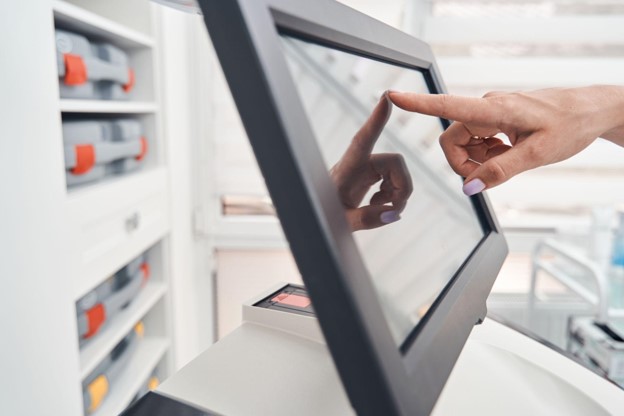
A pharmacy automated dispensing system helps ambulatory pharmacy teams improve medication access, reduce delays, support adherence, and create a smoother experience for both patients and healthcare providers.
Managing medications outside a hospital setting can be more complicated than many people realize.
Patients often leave appointments with prescriptions in hand, but face obstacles before treatment even begins—some struggle to find time to visit a pharmacy.
Others have transportation challenges, questions about their medications, or concerns about starting a new treatment plan.
At the same time, healthcare providers are working hard to coordinate care, improve outcomes, and keep patients engaged in their treatment.
These challenges can create gaps that affect both patient health and healthcare operations. That’s why many organizations are exploring new ways to simplify access to medication and strengthen support throughout the care journey.
As healthcare continues to shift toward patient-centered care, technology is playing a larger role. One area seeing significant progress is the integration of automated medication-dispensing solutions into outpatient care settings.
Understanding Ambulatory Pharmacy Services
Ambulatory pharmacy services focus on helping patients manage medications in outpatient settings.
Unlike inpatient pharmacy programs, these services support individuals receiving care in clinics, specialty practices, physicians’ offices, and other outpatient facilities.
The goal is straightforward: help patients receive the right medications at the right time while providing ongoing support that improves adherence and treatment success.
These services often include:
- Medication counseling
- Prescription coordination
- Refill management
- Adherence monitoring
- Care transition support
- Clinical pharmacist interventions
For many patients, this level of support can make the difference between staying on track with treatment and falling behind.
Common Challenges in Outpatient Medication Management
Outpatient care presents unique challenges that can affect medication adherence and overall health outcomes.
One common issue is delayed prescription fulfillment. A patient may leave an appointment with a treatment plan but postpone filling the prescription for several days. In some cases, medications are never picked up at all.
Communication gaps can also create confusion. Patients may not fully understand how or when to take a medication. Questions arise after they leave the clinic, and answers may not always be readily available.
Healthcare teams face challenges as well. Pharmacists, physicians, and nurses often work across multiple systems while coordinating patient care efficiently. Without streamlined workflows, delays and missed opportunities can occur.
These barriers can lead to:
- Interrupted treatment plans
- Lower medication adherence
- Increased risk of complications
- Reduced patient satisfaction
- Additional strain on clinical teams
Addressing these challenges requires solutions that improve both access and efficiency.
How a Pharmacy Automated Dispensing System Enhances Efficiency
A pharmacy automated dispensing system helps streamline medication distribution by making prescriptions available closer to the point of care.
Instead of requiring patients to make additional trips after an appointment, medications can often be dispensed more quickly and conveniently. This reduces delays and helps patients begin treatment sooner.
Automation also supports healthcare teams by simplifying several routine processes. Tasks that traditionally required multiple steps can often be completed more quickly and accurately.
Some key benefits include:
- Faster prescription fulfillment
- Improved workflow coordination
- Reduced administrative burden
- Enhanced medication tracking
- Greater consistency in dispensing processes
For pharmacists, this means spending less time managing logistical hurdles and more time focusing on patient care.
Healthcare organizations are increasingly recognizing that efficiency isn’t simply about saving time. It’s about removing barriers that prevent patients from receiving the care they need when they need it.
Supporting Clinical Staff and Pharmacists
Technology works best when it empowers people rather than replacing them.
Automated dispensing solutions allow pharmacists and clinical staff to dedicate more attention to activities that require professional expertise.
Instead of spending valuable time on repetitive administrative tasks, they can focus on patient education, medication reviews, and clinical interventions.
This shift creates benefits across the care continuum.
Pharmacists can spend more time answering questions and identifying potential medication issues before they become serious problems. Clinical teams gain greater visibility into medication workflows, making collaboration easier and more effective.
The result is a stronger partnership between technology and healthcare professionals, helping organizations deliver better care while supporting staff efficiency and patient satisfaction.
Better Outcomes Through Smarter Medication Access
A pharmacy automated dispensing system helps healthcare organizations reduce medication delays, improve workflow efficiency, and create a better patient experience.
When paired with ambulatory pharmacy services, it supports stronger adherence, smoother care transitions, and better outcomes across the outpatient care journey.
Looking to improve medication access and strengthen patient support? adherent360 provides personalized solutions that help healthcare organizations streamline medication management, improve adherence, and deliver a more connected patient experience.
Contact us today to learn how they can support your goals.